Safety signs aren’t the most exciting part of running a business.
No one gets hyped about “Wear PPE” or “Fire Exit” signs.
But they are one of the most important things you’ll ever put on your walls.
Good safety signage protects your staff, your visitors, and your business. It helps prevent accidents, keeps you on the right side of the law, and shows that you take health and safety seriously.
In this article, we’ll explain why safety signage still matters in 2026 – and how to get it right.
1. Why Safety Signage Is Still Essential
No matter what industry you’re in – construction, manufacturing, retail, warehousing, hospitality, or offices – risks exist.
Slips, trips, machinery, chemicals, fire exits, vehicle movements… the list goes on.
Clear signage helps people:
- Understand risks
- Follow procedures
- Find emergency exits
- Use equipment safely
- Avoid dangerous areas
It’s simple: the clearer the signs, the safer the workplace.
And fewer accidents means fewer problems.
2. It’s Not Just Good Practice – It’s the Law
In the UK, safety signage isn’t optional.
Under the Health and Safety (Safety Signs and Signals) Regulations, employers must use signs where risks can’t be avoided in other ways.
That means many workplaces legally need:
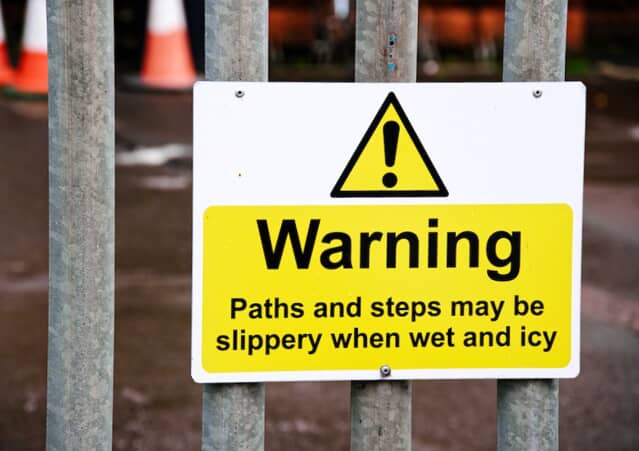
- Warning signs
- Mandatory signs
- Prohibition signs
- Fire safety signs
- Emergency exit signs
If you’re inspected and your signage is missing, damaged, or unclear, it can lead to fines or enforcement action.
Good signage helps protect you as much as your staff.